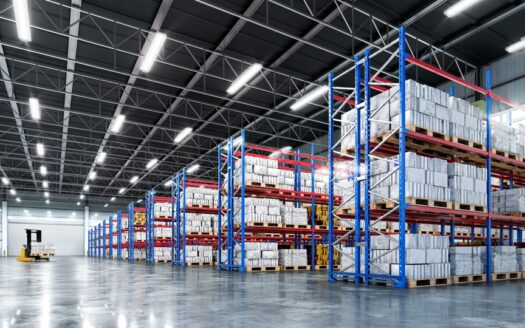

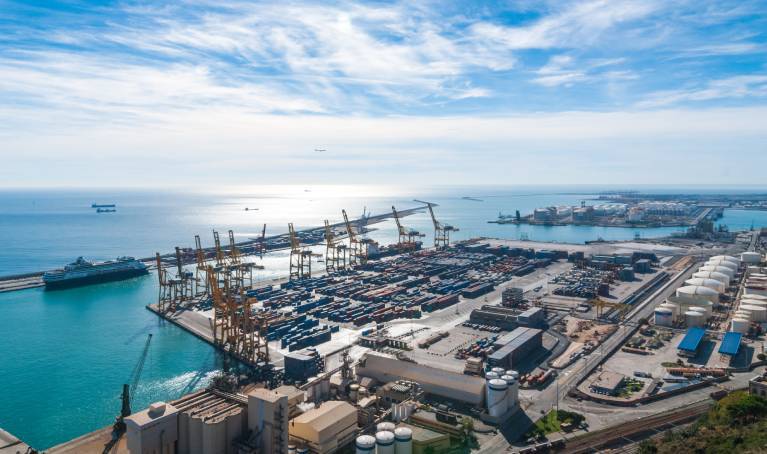
The growing logistical pressure in Barcelona—due to the saturation of industrial land and rising construction costs in the metropolitan area—is reshaping the map of industrial and logistics warehouse locations. The result is the emergence of new opportunities in inland locations that, until recently, had been overlooked by operators and investors.
Barcelona at the Limit of its Logistics Capacity
Historically, Barcelona and its metropolitan area have been the main hub for logistics projects in Southern Europe, thanks to their strategic location, connectivity with the Mediterranean and Ebro corridors, and access to major consumer markets.
However, the scarcity of available land and the pressure on the supply of state-of-the-art warehouses have created a growing imbalance: vacancy rates in prime areas of the metropolitan area severely limit the options for operators who need space in the short term.
Where Demand is Heading
This context is leading many logistics operators to reconsider their location criteria. Some inland areas of Catalonia, such as Bages, the more distant Vallès Occidental, Conca de Barberà, and the Lleida-Tarragona axis, are gaining prominence for specific reasons: significantly lower land costs, greater availability of plots, and the capacity to develop customized projects with medium-sized areas and efficient designs—something difficult to find today in the first and second metropolitan rings.
The key is that these locations do not necessarily imply a loss of connectivity. Many of them have direct access to the AP-2, A-2, or N-II highways and are located less than 90 minutes from Barcelona’s main logistics hubs, including the Port. For regional or national distribution, the penalty in transit time is minimal compared to the savings in implementation costs.
What opportunities does this open up for investors?
For investors, this migration inland represents an entry point before demand (and with it, prices) consolidates these areas. Warehouses located in these new logistics hubs can offer higher gross returns than those in prime areas precisely because of the lower level of competition, while maintaining a profile of solvent tenants: 3PL operators, e-commerce companies with regional warehousing needs, and manufacturers with nearshoring strategies.
As pressure on metropolitan land continues—and all indications suggest it will—well-positioned assets in these inland areas have significant potential for appreciation. Those who enter now are buying with less competition and higher margins.
A structural, not cyclical, trend
The significance of this phenomenon lies in the fact that it is not a response to a temporary market adjustment, but rather a structural change in how logistics is organized in Catalonia and throughout the Mediterranean region. Layered distribution, with large inland platforms and last-mile hubs near the city center, is the model that has already become established in more mature markets such as Madrid, Paris, and northern Italy, and which Barcelona is beginning to replicate.
Identifying and positioning assets in these locations before the market fully incorporates them into its price is, today, one of the clearest opportunities in the Catalan industrial sector.